Beginner Music Production: What Is a DAW? 💻

The Studio Inside Your Computer
“The tools change.
The process stays the same.”
Before computers, music was made in studios filled with gear.
Big mixing consoles.
Tape machines.
Racks of equipment.
Miles of cables.
Today…
All of that lives inside one thing:
A DAW — Digital Audio Workstation.
Quick Summary
👉 A DAW (Digital Audio Workstation) is software used to record, edit, arrange, and mix music. It replicates the core components of a traditional analog studio inside your computer.
🎛️ What Does a DAW Actually Do?
A DAW is your entire music production environment.
It allows you to:
- record audio (vocals, instruments)
- program MIDI (virtual instruments)
- arrange songs
- edit performances
- mix and process sound
- export finished tracks
It’s not just software.
It’s a complete studio.
🎚️ The Analog Studio — Reimagined
To understand a DAW, it helps to look at what came before it.
Traditional studios were built from several key components.
A DAW recreates all of them.
🎛️ 1. The Mixing Console
In an analog studio, the mixing console is the center.
It controls:
- volume
- panning
- EQ
- routing
In a DAW
The mixer window is your console.
Each track has:
- a fader
- pan control
- insert effects
- sends
Same concept.
Different form.
🎚️ 2. Outboard Effects
Studios used external gear for processing:
- compressors
- EQs
- reverbs
- delays
These lived in racks.
In a DAW
These are now plugins.
You load them instantly:
- no cables
- no physical hardware
- unlimited instances
Outboard gear became software.
🔌 3. The Patchbay
A patchbay connects everything.
You route signals by plugging cables:
- mic → preamp
- preamp → compressor
- compressor → tape
In a DAW
Routing is virtual.
You can:
- send signals to buses
- create parallel processing
- route audio anywhere instantly
No cables required.
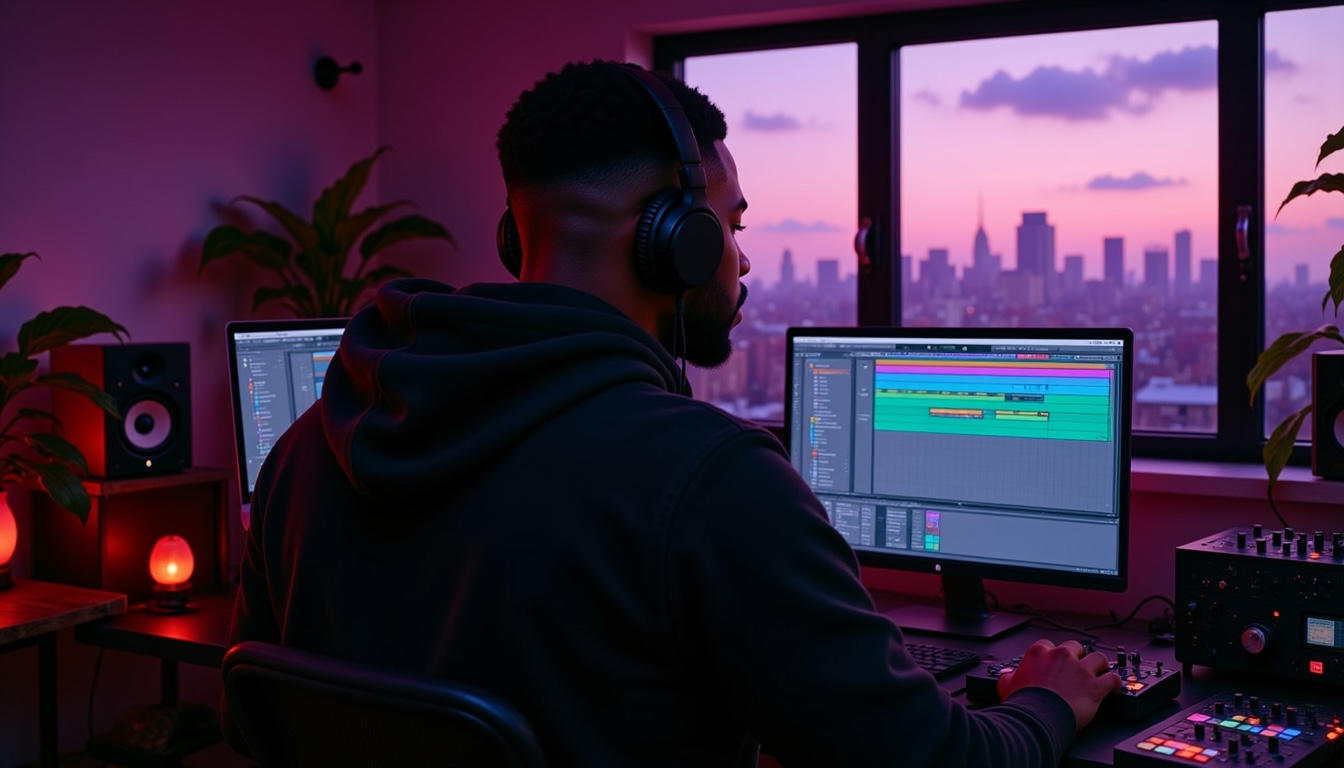 ⭐️ Download my Free Music Production Guides or take my free Ableton Live Course ⭐️
🎞️ 4. The Multitrack Tape Machine
This is where recordings were stored.
Each track recorded separately:
- vocals on one track
- drums on another
- guitars on another
In a DAW
The timeline is your multitrack recorder.
You can:
- record unlimited tracks
- edit instantly
- undo mistakes
Tape became a timeline.
📼 5. The 2-Track Tape Machine (Mixdown)
After mixing, everything was printed to a final stereo track.
This was called mixdown.
In a DAW
You export your song.
- WAV
- MP3
- streaming formats
Same idea.
Just faster.
Sound Theory 101: Energy, Frequency and Vibration
🎹 Musical Instruments and Performances
In a traditional studio, you needed musicians and instruments to create performances.
- a drummer for drums
- a pianist for keys
- a bassist for low end
In a DAW
You can recreate both instruments and performances using MIDI.
MIDI is not audio.
It’s information:
- which note to play
- when to play it
- how hard (velocity)
- how long
What This Means
You can:
- play virtual pianos, drums, synths
- program full arrangements without recording audio
- edit performances after recording
- change instruments without re-recording
The Power of MIDI
- fix mistakes without re-recording
- experiment with different sounds instantly
- build entire songs from scratch
The Sound War: Audio vs MIDI - Which Reigns Supreme?
MIDI turns your DAW into an instrument factory.
🎧 Why DAWs Changed Everything
Before DAWs:
- studios were expensive
- gear was limited
- editing was slow
Now:
- anyone can make music at home
- you have unlimited tracks
- you can experiment freely
The barrier to entry disappeared.
🎹 Popular DAWs
Some of the most widely used DAWs today include:
- Ableton Live
- Logic Pro
- FL Studio
- Pro Tools
- Cubase
They all do the same core things.
They just approach them differently.
Should I Learn Pro Tools or Ableton Live? 💻
🧠 DAW = The New Instrument
A DAW isn’t just a tool.
For many producers, it’s an instrument.
You don’t just use it.
You learn it.
Practice it.
Develop a feel for it.
🧠 FAQ
Q: Do I need a DAW to make music?
A: Yes — it’s the core software for production.
Q: Are all DAWs the same?
A: They share core features but differ in workflow.
Q: Is a DAW hard to learn?
A: At first, yes — but it becomes intuitive with practice.
Q: Can I make professional music in a DAW?
A: Absolutely — most modern music is made this way.
🔑 Final Thought
A DAW is not replacing the studio.
It is the studio.
The console.
The tape machine.
The rack gear.
The patchbay.
The instruments.
All in one place.
Learn your DAW, and you learn how music is made.
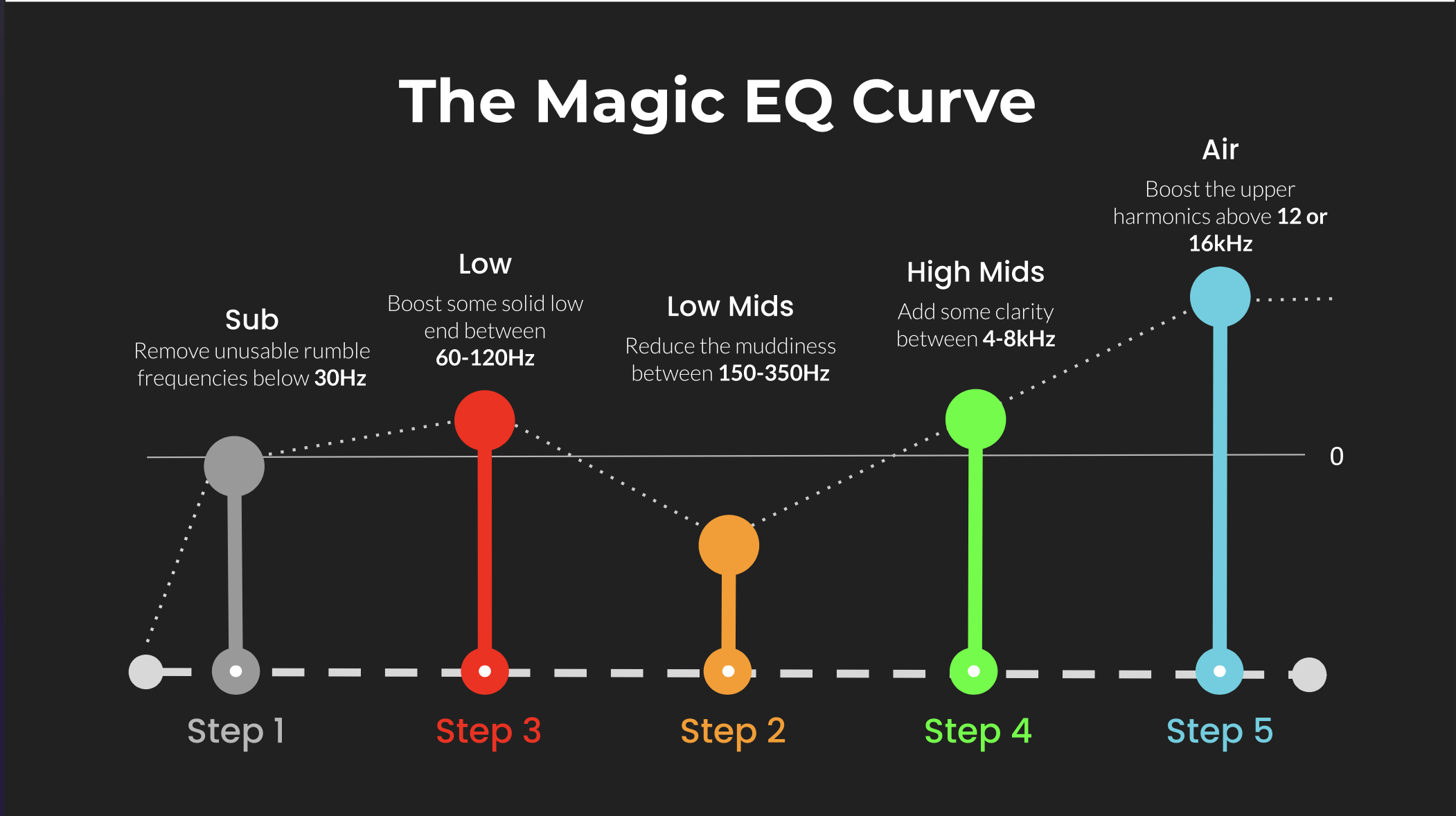 ⭐️ Download my Free Magic EQ settings Guide ⭐️

⭐️ Download my Free Magic Reverb settings Guide ⭐️
#protools #daw #homestudio #recordingschool #recording #musicproduction
Also read:
How to Start Your Own Online Business Teaching Music
Hey, I'm Futch - Music Production Coach and Ableton Certified Trainer
Learn how to make your first song and beat in Ableton Live with my
FREE 90-minute Ableton Live course
I've been teaching audio engineering and music production for 35 years.⭐️
Check out my new online music production program: Music Production Ninja...